A common belief in residential design is that a beautiful house requires expensive materials. In our experience it is closer to the opposite. Some of the most memorable buildings we have worked on rely on ordinary materials that any lumber yard or masonry supplier can deliver. What sets them apart is not the material. It is how the material is cut, joined, arranged and lit. Here is how architects make everyday materials look extraordinary, and what that means for your budget.
The material is rarely the point. The detail is.
Two houses can both be clad in cedar boards and look nothing alike. One has boards of random widths, uneven gaps and sloppy corners. The other has consistent spacing, clean shadow lines and corners that are resolved on purpose. The second house costs very little more, yet it reads as expensive. Good detailing is mostly thinking, which is why it is one of the best uses of an architect's time.
Plywood and engineered wood
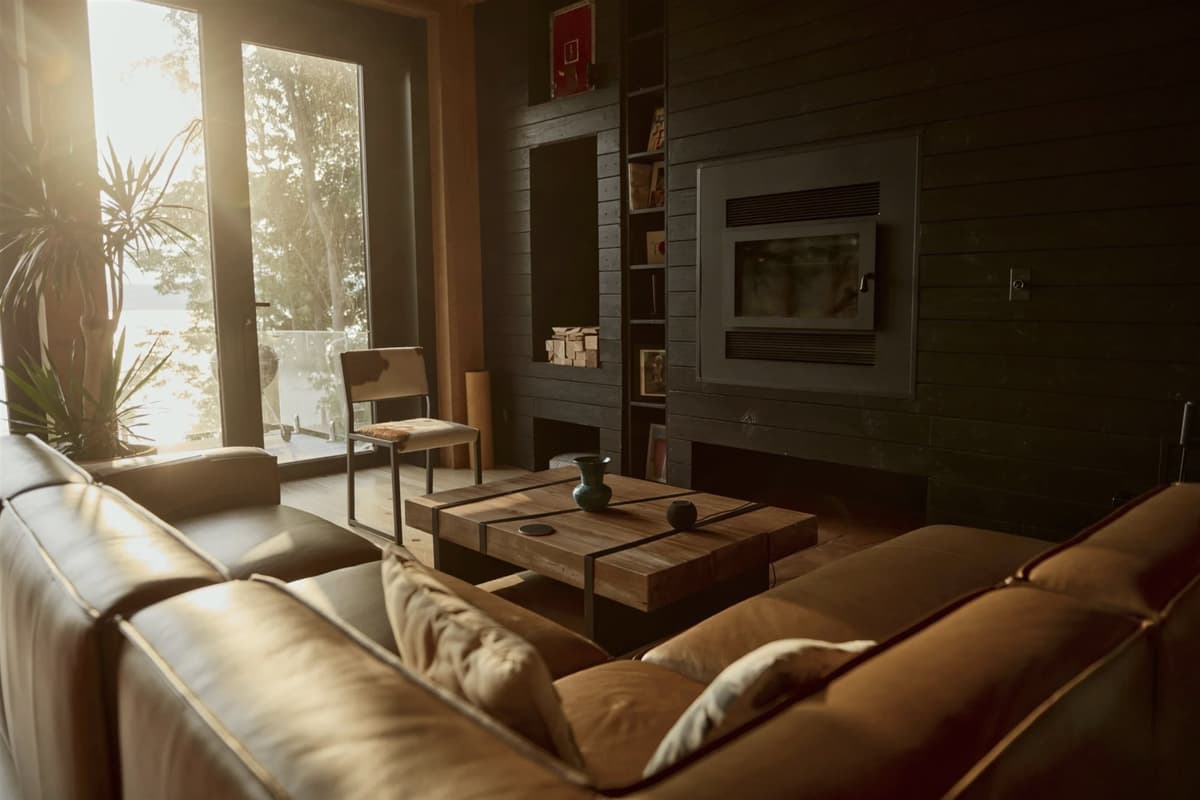
Plywood has moved from the back of the house to the front. Used as a finished surface in a ceiling, wall or built-in, it brings warmth at a modest price. The craft is in the layout. Planning the panel grid so seams fall on purpose, leaving a consistent reveal between sheets and treating the exposed edge as a feature all make the difference between a rough shop look and a refined one.
Concrete
A polished concrete floor can be one of the most economical and durable surfaces in a building. On our Capital Roots project, concrete floors stand up to heavy daily use while keeping maintenance low, which matters for a nonprofit watching every operating dollar. Concrete also stores heat well, so it pairs nicely with south-facing glass and a radiant heating system.
Metal roofing and siding
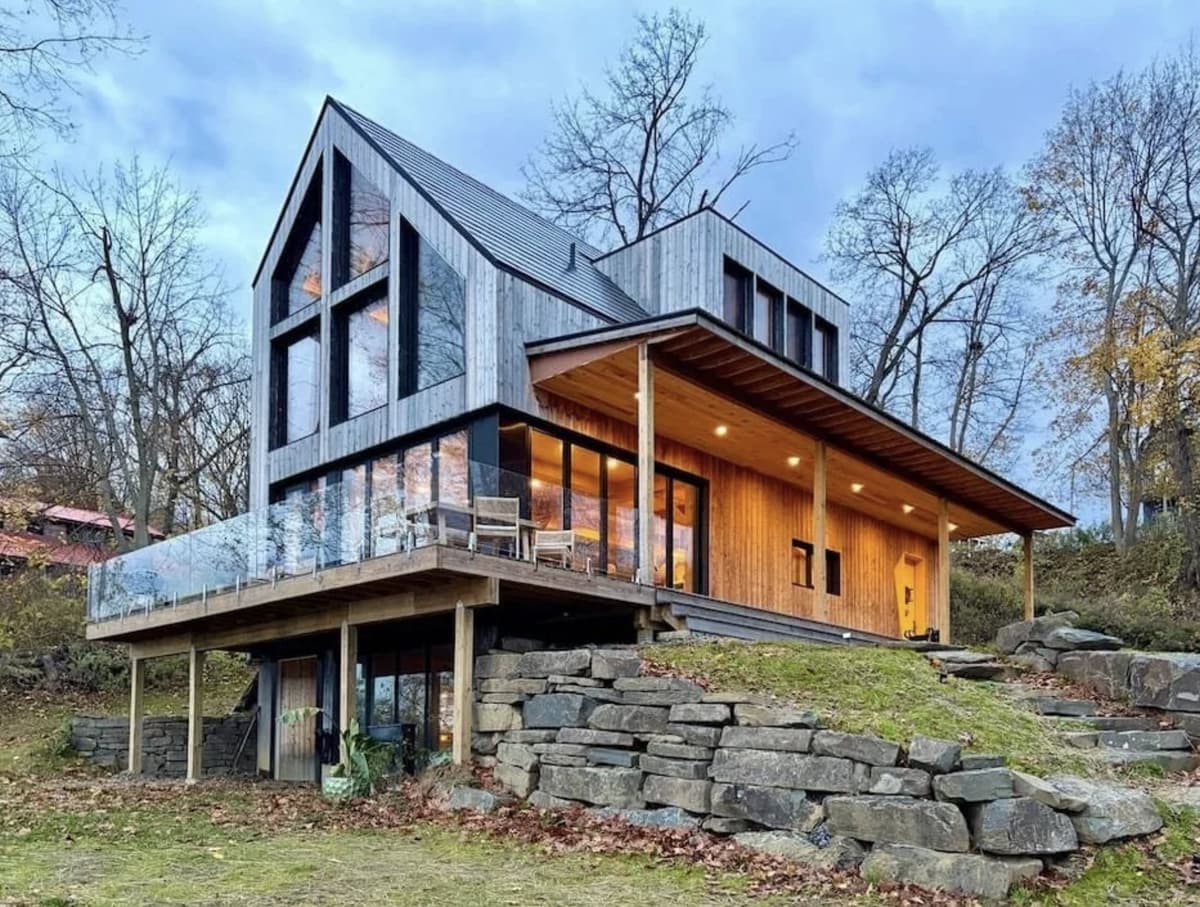
Standing-seam and corrugated metal are practical, long-lasting and increasingly stylish. Dark metal against warm wood is a classic pairing, and a metal roof can outlast several generations of shingles. Details such as how a panel turns a corner or meets a window do most of the visual work here.
Fiber cement and board-and-batten siding
Fiber cement is durable, paintable and inexpensive. Laid out with a deliberate rhythm, whether wide panels with thin reveals or board-and-batten with generous spacing, it can look crisp and contemporary or warm and traditional. The spacing is the design decision. A quarter inch of change in the batten layout alters the whole character of a facade.
Brick
Brick is the ultimate everyday material, and it rewards creativity. Patterns such as stacked bond, running bond with a shift, soldier courses and corbelled bands add shadow and texture without adding cost. A single band of projecting brick at the right height can turn a plain wall into something that catches the eye as the sun moves.
Fieldstone and local stone
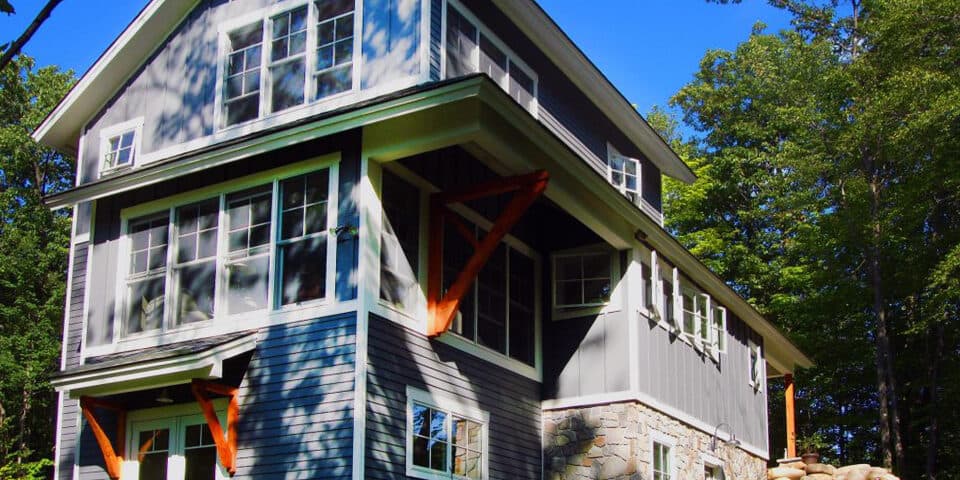
Stone gives a house roots. On our Adirondack-style home near Albany, a base of native fieldstone grounds the siding above it and ties the building to the land. Using stone found near the site keeps transport costs low and makes the house feel like it belongs. Even a modest stone base or chimney can anchor a design.
Cedar and slatted wood
Cedar silvers gracefully, resists weather and takes on a different look in every light. A slatted cedar wall, like the one that gives character to our Shatemuc house on the Hudson River, filters light and creates pattern from simple repeated pieces. Spacing the slats and choosing how they meet the corners is the whole art of the thing.
Glass
Windows are ordinary, but where they are placed is a creative act. A single large window that frames a tree, a narrow vertical slot beside a door, or a corner window that dissolves the edge of a room can change how a space feels. Thoughtful placement costs no more than random placement.
Five habits that elevate ordinary materials
Work with scale. Large, simple moves look confident. Fussy, small gestures look busy.
Control the joints. Consistent spacing, tidy corners and clear transitions between materials signal quality instantly.
Use light. Raking daylight across a textured wall makes a cheap material look rich. Plan windows and fixtures with that in mind.
Limit the palette. Three well-chosen materials usually look better than six.
Break the pattern once. Repetition builds calm, and one deliberate change, like a wall of stone against a field of wood, creates a focal point.
Where to spend and where to save
Save on the large, simple surfaces, such as the main walls, the roof and the floors. Spend on the places people touch and see up close, like the entry door, handrails, countertops and a single feature wall. A modest budget concentrated on a few signature details beats the same money spread evenly across everything.
Designing with the materials you love
Book a free consultation with Eric Davenport, AIA, NCARB. We will help you choose materials that fit your budget and your site, and detail them so they look better than the price tag suggests.
Planning a project of your own?
Every LEAP engagement starts with a free, no-obligation consultation. Bring your questions — we'll bring honest answers.
Book a free consultation