
Service Areas — New Jersey
Cranford, NJ Architecture & Interior Design
Cranford's tree-lined streets and mix of Colonials, Cape Cods, and Victorians make it one of the most character-rich towns in Union County to design in. LEAP works with Cranford homeowners on additions, whole-house renovations, and sensitive new-construction infill that respects the block.
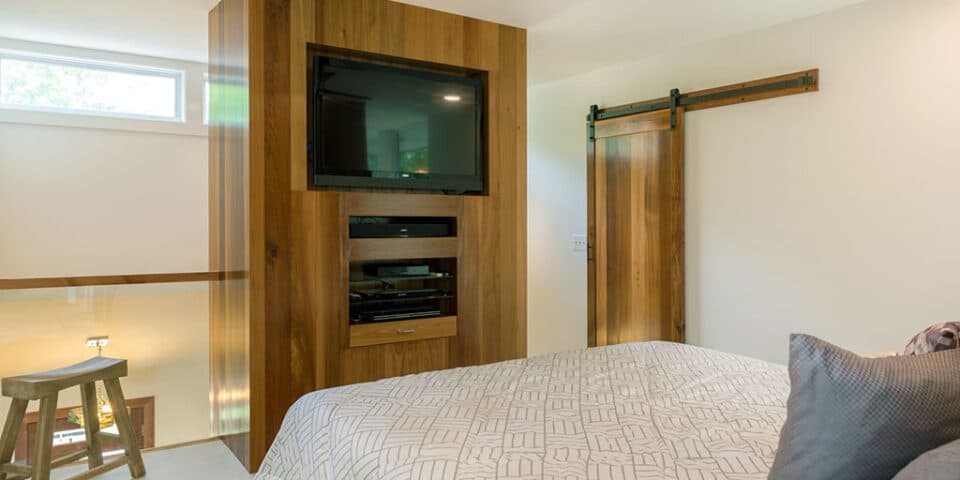
Adding onto a Cranford Colonial
Rear additions, kitchen-family room expansions, primary-suite additions above garages — designed to look like they've always been there.
Flood-zone considerations
Parts of Cranford sit in FEMA flood zones. We design accordingly, and we know the elevation and freeboard requirements.
Working with local trades
We collaborate with Union County contractors and expeditors who know Cranford's process — which keeps your project on schedule.
Local knowledge that shapes the work
Building regulations in Cranford
Cranford projects file with the Township's Building Department under New Jersey's Uniform Construction Code, with zoning review preceding permit. The Rahway River's flood mapping is a defining local factor: work in mapped zones must meet elevation and substantial-improvement rules. Variances go before the Zoning Board of Adjustment, where prepared, neighbor-aware applications fare best.
Neighborhoods and building stock
From the Victorians near downtown to Colonials and Capes on the tree-lined streets of Sunny Acres and Brookside, Cranford's charm is its consistency. Our township work centers on additions and renovations that extend that character — plus flood-smart rebuilding near the river corridor.
Design considerations we bring
Cranford asks two things of good design: respect the streetscape and respect the river. Additions here succeed by matching the block's rhythm of porches, rooflines, and setbacks, while river-adjacent work builds resilience in from the start — mechanicals up, materials flood-tolerant, first floors at smart elevations.
“Our foot traffic and dwell time both went up after the fit-out. That's not marketing — that's architecture doing its job.”
Questions we hear from Cranford clients
How does Rahway River flooding affect renovations?
If your property is in a mapped flood zone, improvements crossing the substantial-improvement threshold trigger elevation and flood-resistant construction requirements. That sounds daunting; in practice it's a design brief — we've turned flood compliance into raised entries, better light, and mechanical rooms that will never flood again. Your zone status is the first thing we check.
What's involved in getting a Cranford variance?
A Zoning Board application with plans, notices to neighbors within 200 feet, and a public hearing. Success favors modest asks supported by clear drawings and demonstrated hardship or benefit. We prepare the exhibits, coordinate with your attorney where one is needed, and present the design case.
Can you expand a Cape Cod without ruining its charm?
Capes are made for it — dormers, rear wings, and modest second-story work were practically anticipated by the type. The craft is keeping proportions honest: eave lines, dormer scale, and window rhythm decide whether the result reads as grown or grafted. It's a renovation type we know deeply.
How long do township permits take?
Zoning review plus UCC permitting for a typical addition commonly takes four to eight weeks with complete drawings; variance projects add the board calendar, generally two to three months. Complete, coordinated submissions are the schedule's best friend — that part we control.
Planning a project in Cranford, NJ?
Book a free, no-obligation consultation with Eric Davenport, AIA, NCARB. We'll listen first, ask the right questions, and show you exactly what's possible for your home, your budget, and your site.