Every year the design press announces a new list of must-have looks, and every year a few of them quietly disappear. After more than a decade of designing homes across New York, New Jersey and Connecticut, we have learned to sort trends into two piles. Some solve a real problem and will outlast the headline. Others are decoration that dates the moment it is finished. Here is how the 2026 list sorts out from the drafting desk.
All-electric homes are becoming the default
Heat pumps, induction cooking and heat pump water heaters are no longer experiments. They cost less to operate in a well-insulated house, they remove combustion from the living space, and they fit the direction of state energy codes. If you are building or renovating this year, designing for all-electric is the safer bet. It also makes a rooftop solar array far more useful later.
Airtight, high-performance envelopes
The quiet revolution in residential design is happening inside the walls. Continuous insulation, careful air sealing and better windows shrink heating and cooling loads, which shrinks the equipment, which saves money twice. The result is a house that feels calm and even in temperature, with no cold corners by the glass. This one is not a trend so much as a correction, and it is here to stay.
Warm minimalism and honest materials
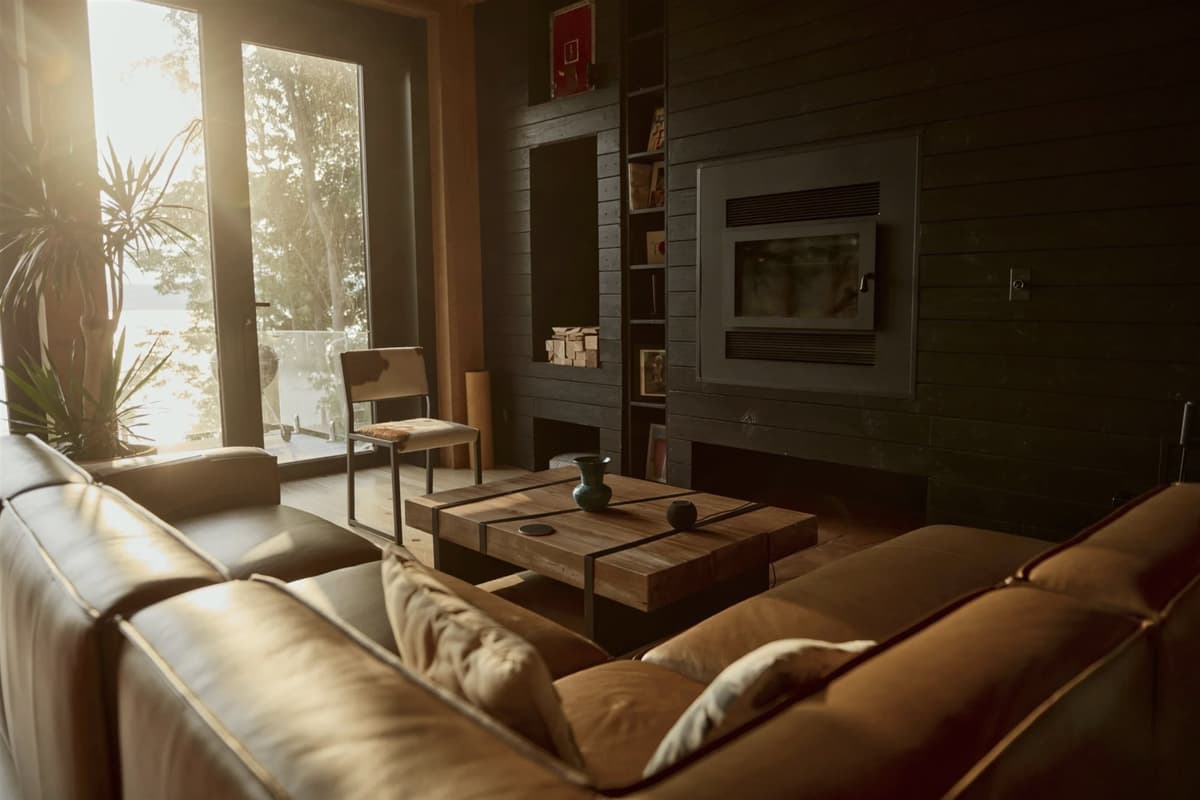
The all-white, glossy look is giving way to rooms that feel warmer and more tactile. Natural wood, plaster, stone and matte finishes bring depth without clutter. Architects call it warm minimalism. The point is restraint with texture, so a few good materials do the work that a dozen decorative gestures used to do.
Flexible plans for multigenerational living
More families are sharing a roof across generations, whether that means an aging parent, an adult child or a caregiver. Plans that include a first-floor suite, a separate entrance, or an accessory dwelling unit are in demand. The smartest versions look like ordinary houses from the street and quietly flex inside. Universal design details such as no-step entries and wider doorways cost little when planned from the start.
Indoor and outdoor living, done properly
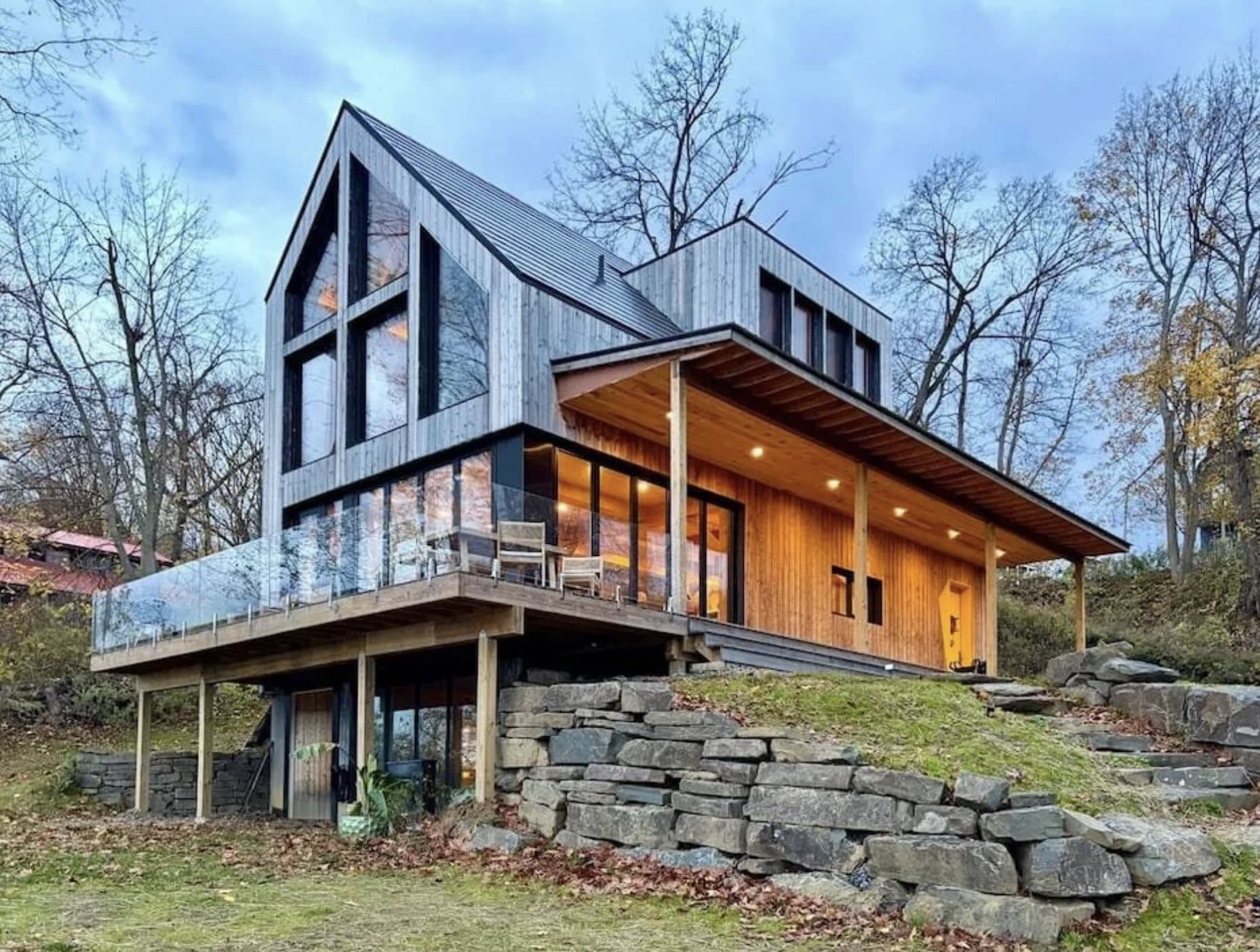
Bi-fold and sliding glass walls, covered porches and decks that feel like real rooms continue to rise in importance. The difference now is performance. Better glazing and thoughtful overhangs mean the glass can be generous without turning the house into a greenhouse. A screened porch that stretches the season at both ends is one of the best values in residential design.
Resilience is a design requirement
Flood zones, heavier storms and hotter summers are shaping how and where we build. Raised main floors, flood-tolerant materials at grade, shading that keeps south and west glass in check, and mechanical equipment placed above flood level are now part of ordinary good practice. Resilient design rarely looks like a feature. It looks like a house that keeps working.
Craft, millwork and one-of-a-kind details
After years of catalog-driven interiors, clients are asking for work that feels made. Custom built-ins, cedar slat walls, hand-finished stair details and thoughtfully designed storage give a home its identity. These details cost more than off-the-shelf parts, but they are what people remember. Spending on a few signature moves usually beats spreading the budget thin.
Wellness through daylight and air
People now understand that buildings affect how they sleep, focus and feel. Daylight in every occupied room, filtered fresh air from a ventilation system with heat recovery, low-emitting materials and views of greenery all support wellness. The best wellness features are invisible. They are simply part of a well-designed house.
Renovation over new construction
The greenest building is often the one that already exists. More homeowners are choosing to deepen their commitment to an older house, adding insulation, opening a plan and updating systems rather than starting over. Adaptive reuse, from barns to old storefronts, is part of the same impulse. It also tends to produce buildings with more character than anything brand new.
Technology that stays out of the way
Smart home technology is maturing from gadgets into infrastructure. The best systems are simple, like efficient lighting controls, energy monitoring and a reliable network. The trend to be wary of is complexity for its own sake. If a system needs a manual to switch on the lights, it will frustrate the next owner.
How to tell a trend from a fad
Ask one question: what problem does this solve for the people who will live here? A heat pump lowers your bills and your carbon footprint. A first-floor suite lets a parent stay near family. A gold faucet in a color that will be out of fashion in three years solves nothing. Build for the first kind of answer and the house will age well.
Planning something new?
Book a free consultation with Eric Davenport, AIA, NCARB. We will help you decide which of this year's ideas deserve a place in your project and which are better left on the mood board.
Planning a project of your own?
Every LEAP engagement starts with a free, no-obligation consultation. Bring your questions — we'll bring honest answers.
Book a free consultation